Bad Wedding Photography Advice Beginner Photographers Should Ignore
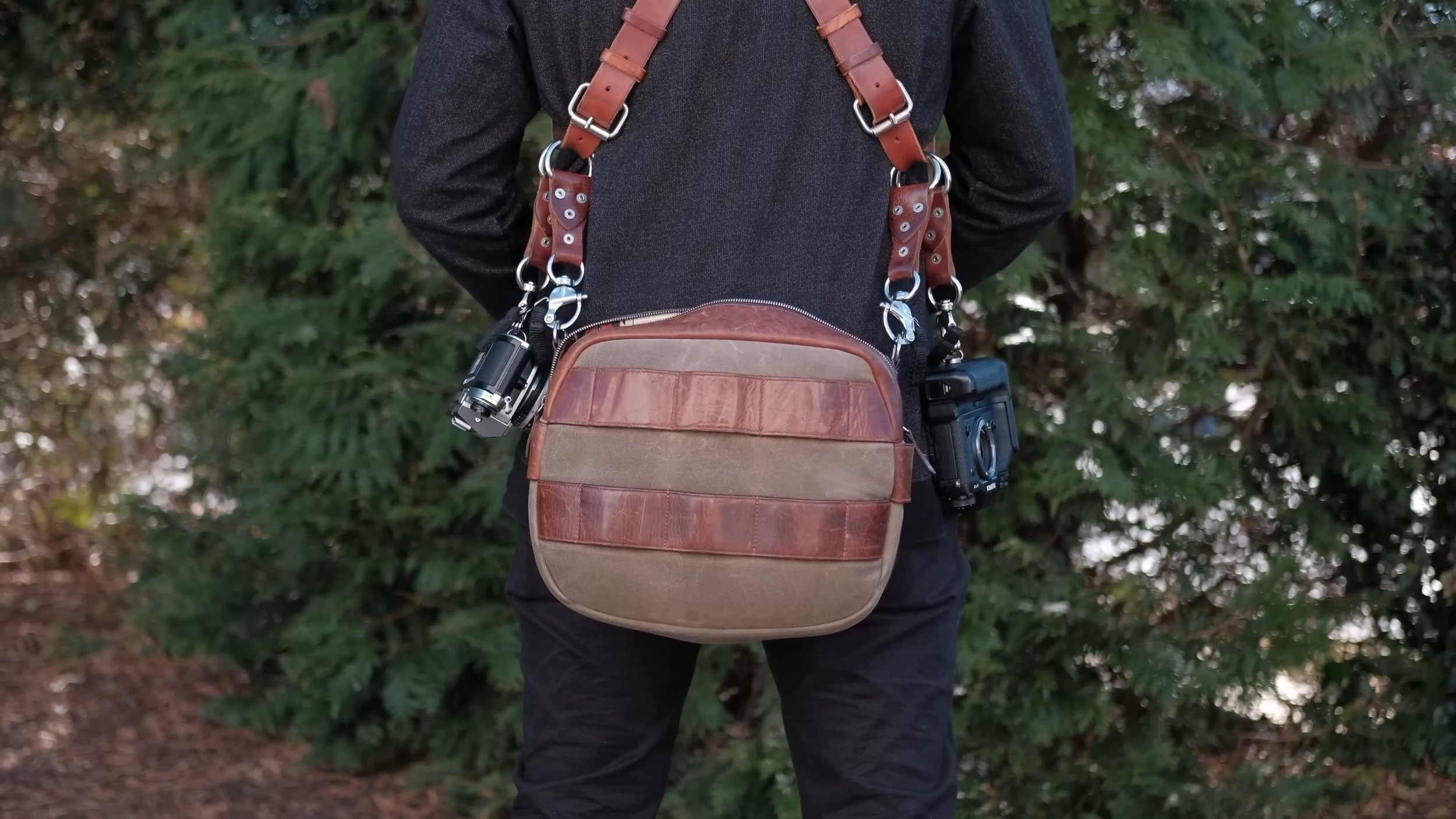
John Branch IV - Raleigh Wedding Photographer
Starting wedding photography can already feel like a lot. You’re trying to learn your camera, figure out lighting, build confidence, work with real couples, and not overthink every little decision. Then the internet shows up with a whole list of things you supposedly have to do before you’re allowed to call yourself a wedding photographer.
And look, some advice is helpful. But some of it just makes beginner wedding photographers feel scared to start, scared to charge, scared to use the gear they already have, and scared to do things their own way. That is the part I am not here for.
So let’s talk about a few pieces of wedding photography advice I think you can stop stressing over.
Myth 1: You Need the Best Gear to Start Wedding Photography
This one gets thrown at beginner photographers all the time, and honestly, I think it stresses people out way more than it needs to.
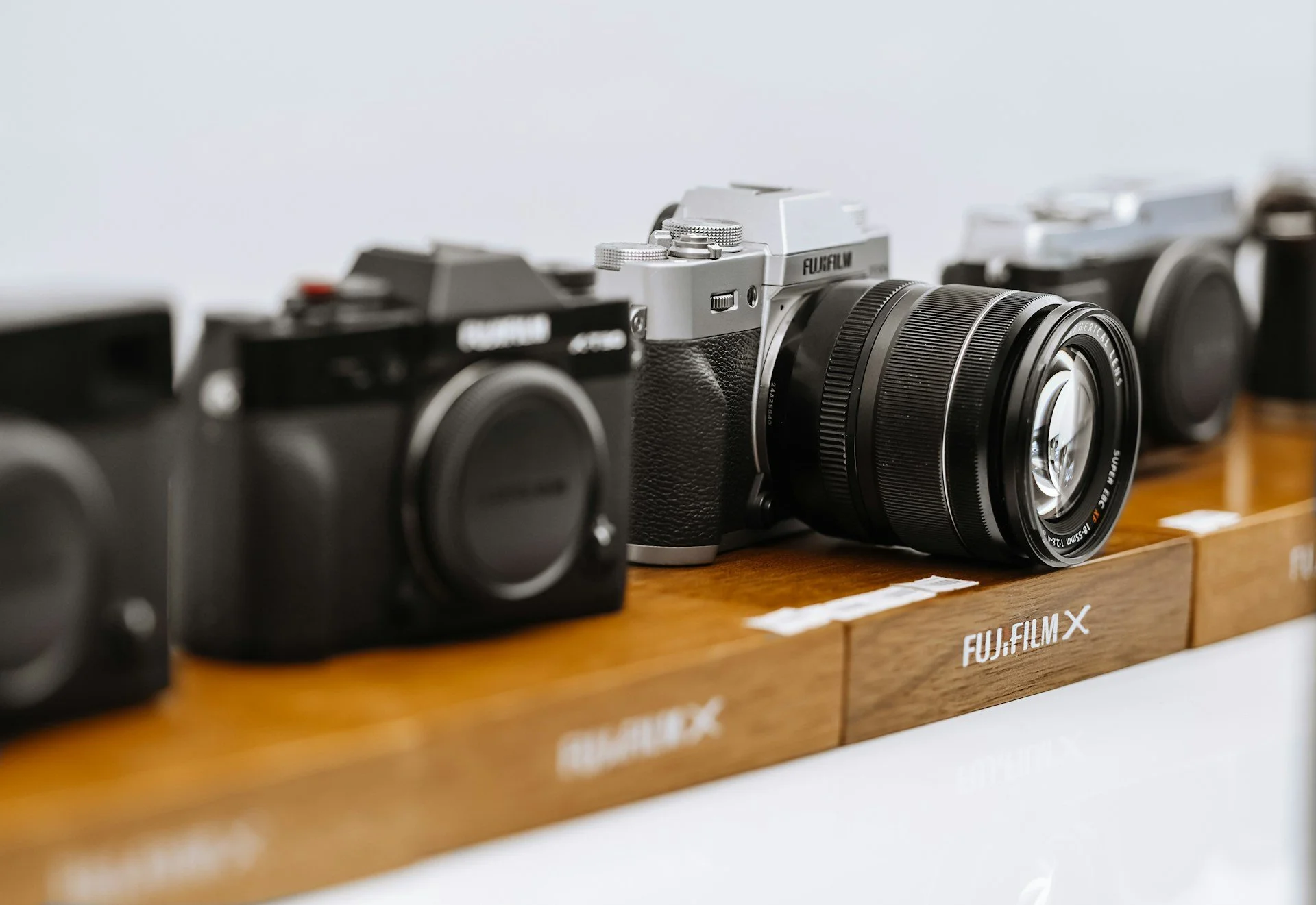
Photo by omid armin on Unsplash
Your couples are probably not sitting there wondering if you have the newest camera body, the most expensive lens, or the exact setup another photographer said you “need.” Most couples do not know what half that gear even means. They care about whether you can take good photos, treat them well, and deliver something they are excited to look back on.
And yes, gear matters. You need equipment that can handle the job. But you do not need to drain your bank account trying to look professional before you have even built the skill to use what you already have.
Real advice: Learn your camera before you upgrade everything.
Learn your camera first. Learn light. Learn your settings. Learn how to work under pressure. That will take you a lot further than buying every piece of gear someone on the internet told you was required.
Myth 2: You Have to Shoot Full Frame to Photography Weddings
This one might make some photographers mad, but it needs to be said.

Lauren & Ian’s Wedding | Shot in Crop Sensor
You do not have to shoot full frame to be a wedding photographer. Full frame cameras are great, but they are not the only way to make good wedding photos. Couples are not hiring you because your sensor is a certain size. They are hiring you because they trust you to create strong images and take care of them well.
Real advice: Learn the camera system you actually have.
Every camera has strengths and limits, whether it is full frame, crop sensor, mirrorless, DSLR, whatever. Your job is to understand how your camera handles light, movement, low-light situations, and the way you like to shoot. Knowing your gear well matters way more than buying into the idea that one camera format magically makes you ready.
Myth 3: You Need the “Standard” Wedding Lenses
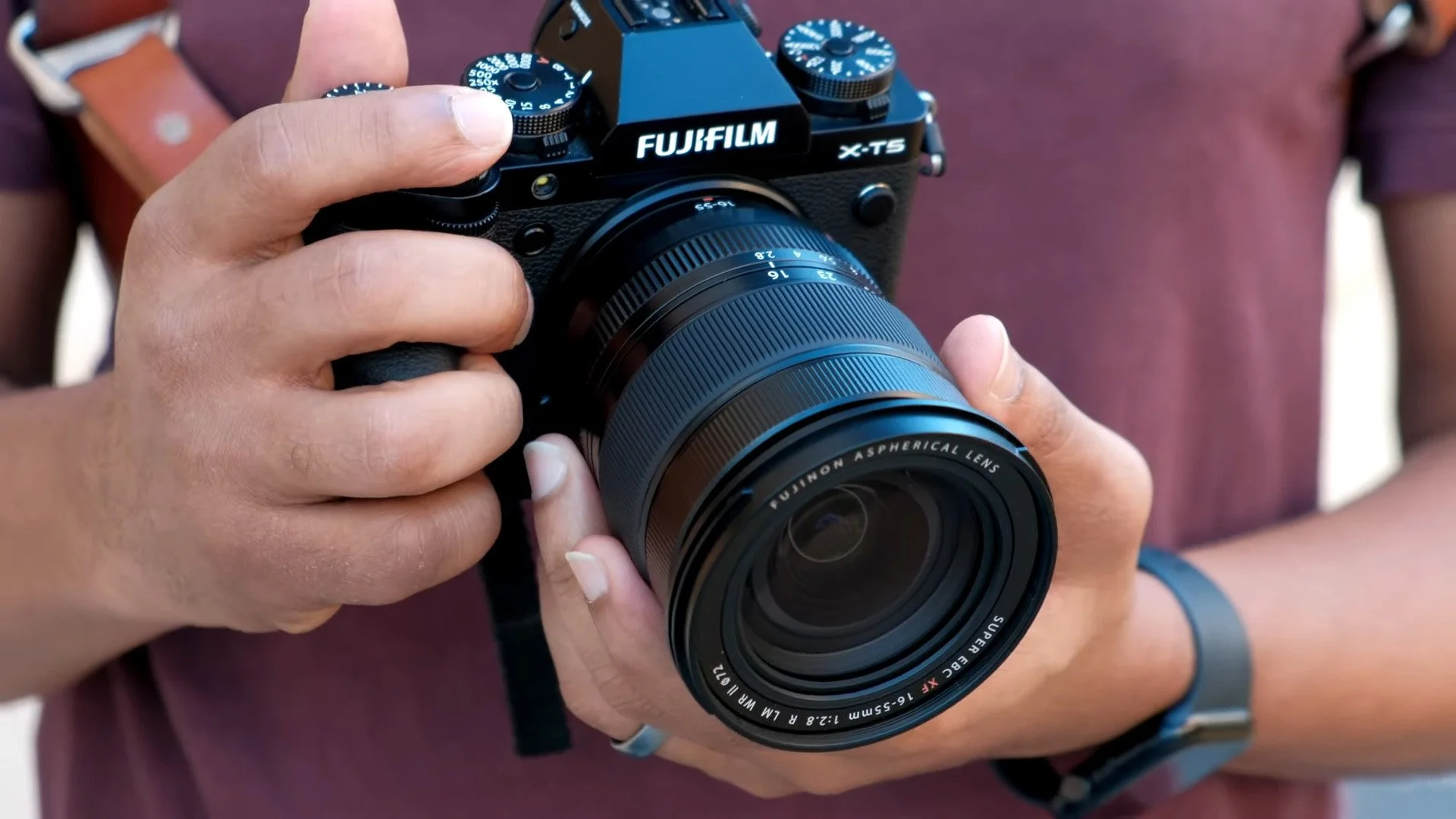
Let’s talk about Wedding Photography Lenses
A lot of photographers will tell you that you have to shoot weddings with a 24-70 and a 70-200.
And look, those lenses are popular for a reason. They are flexible, they work well, and a lot of photographers love them. But they are not the only way to photograph a wedding. If you prefer prime lenses, that can work too. If you prefer zoom lenses, great. The point is not to copy someone else’s setup just because they said it is the “correct” one.
Real advice: Choose lenses that fit the way you actually shoot.
Learn how your lenses behave. Learn how close you need to be, how they handle low light, how they affect the feel of the image, and how to move through a wedding day with them. The best lens setup is the one you know how to use well under pressure.
Myth 4: You Have to Use Off-Camera Flash All the Time
This one gets treated like a hard rule, but it is not.
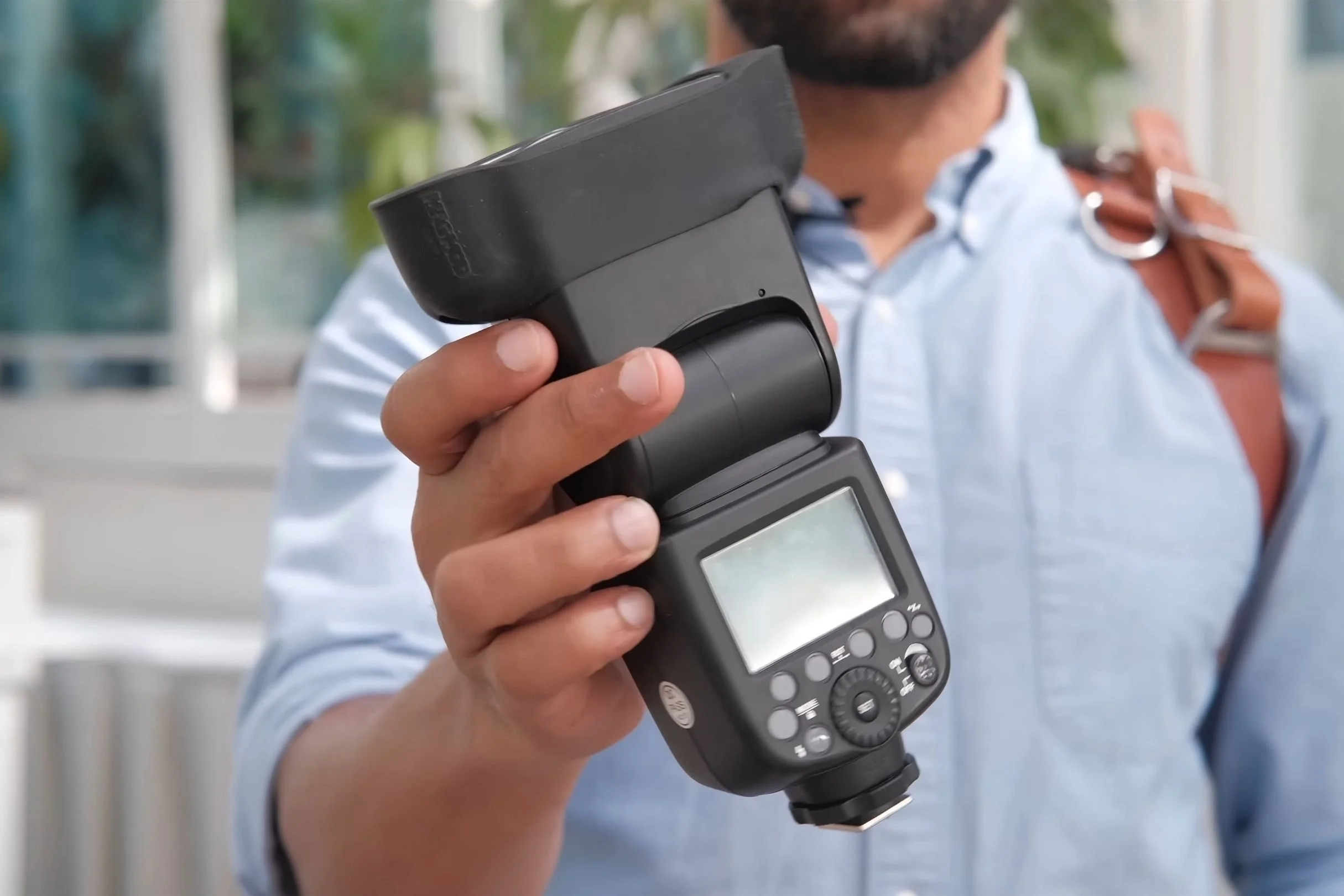
Let’s talk about Wedding Photography Flashes
You should understand flash. You should know how to use it when you need it. But you do not have to make off-camera flash your whole reception style just because other photographers say that is the only professional way to do it. Some photographers love that look. Some do not. That is fine.
Real advice: Learn light before you obsess over lighting setups.
On-camera flash, off-camera flash, natural light, video lights, whatever you use, you need to understand what the light is doing. If you know how to read a room, adjust quickly, and make clean images in different situations, you do not have to shoot exactly like everyone else to get strong results.
Myth 5: Charging Lower Prices Ruins the Market

Loren & Tolar's Engagement | John Branch IV Photography
New photographers hear this one all the time: “If you charge too low, you are ruining the industry.”
But pricing is not that simple. Your prices should reflect where you are right now: your experience, your skill level, your client experience, your brand, and what you can actually deliver. Charging premium prices before you can provide a premium experience is not helping anyone either.
Real advice: Price for your current level, then grow from there.
You are allowed to start somewhere. As you get better, build a stronger portfolio, improve your process, and give clients a better experience, your pricing should grow with you. The goal is not to stay cheap forever. The goal is to charge in a way that is honest, sustainable, and aligned with the value you can actually provide.
You Don’t Need Permission to Start Learning
The biggest thing I want newer photographers to understand is that you do not need to have everything perfectly figured out before you start. You do need to practice, learn your gear, understand light, serve your couples well, and take the job seriously. But you do not need to follow every loud opinion on the internet just to prove you belong here.
A lot of wedding photography is learned by doing the work, making adjustments, and finding what actually fits the way you shoot.
If you want more real-world help with wedding photography, check out my courses for practical tips on shooting weddings, building confidence, and growing as a photographer.