A Wedding Photographer’s Guide to Location Scouting a New Venue
Walking into a new wedding venue for the first time can feel like a lot especially when you’re still newer to wedding photography. You don’t know the space yet, you don’t know how the light is going to behave, and you’re trying to figure things out before the day starts moving fast.
That’s where location scouting helps. You don’t need to know every single corner of the venue. You just need a quick read on what you’re working with so you’re not walking in blind and trying to solve everything on the fly.

Couple Portrait at the Heights House Hotel, Raleigh
Why Location Scouting Matters for Wedding Photographers
Location scouting is really just about getting your bearings. You’re not trying to learn the whole venue, you’re just picking up on the important things.
That small bit of prep changes a lot. Instead of reacting to everything as it happens, you’re already one step ahead. You know where to go, you know what might work, and you’re not second guessing yourself as much. Especially when it’s your first time at a venue, it’s one of the easiest ways to make the day feel more under control.
4 Things to Consider When Location Scouting a Wedding Venue

Naturally Lit Bokeh Wall Shot of Couple at the Cookery, Durham
1. Look for the Light
First thing I look at is always the light. Where is it coming from, what time of day it’s hitting, and what kind of ambient light is already there. I’m also checking ceilings right away. If they’re white and not too high, bounce flash is easy. If not, I already know I might need to adjust. Nothing too crazy here, just getting a quick feel for what’s going to work.
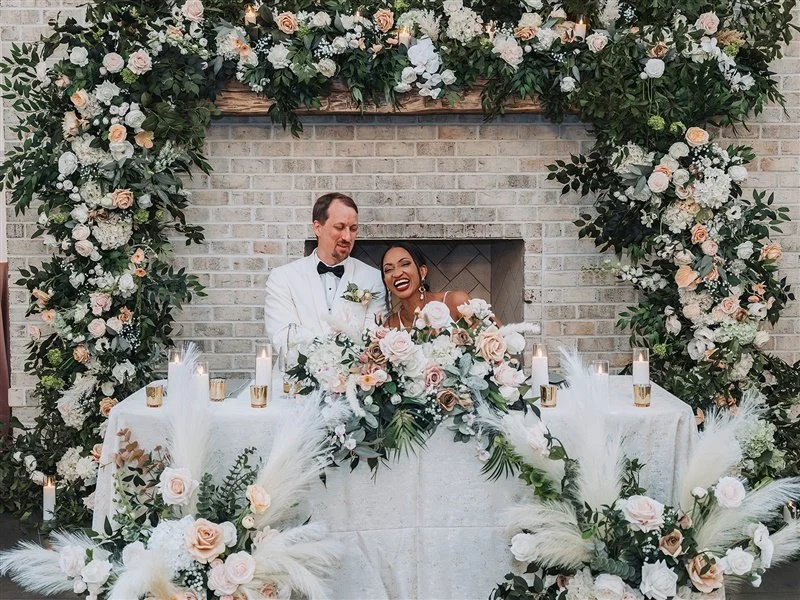
Candid Couple Moment at the Maxwell, Raleigh Wedding Venue
2. Identify Key Areas of the Day
Next, I’m figuring out where everything is going to happen. Where’s the DJ, where’s the dance floor, where’s the couple sitting. Once you know that, the space starts to make more sense. You’re not guessing where to be during speeches or key moments, you already have a plan.

Magical Couple Portrait at Outdoor Garden Wedding
3. Find Portrait Locations (and Think Through Movement)
A big part of location scouting is learning how to see portrait potential in simple spots. A wall, a few trees, a patch of open shade, even a walkway can give you more than you think if you know how to work it. At the same time, I’m thinking about flow. If time is tight, can I get to that spot quickly, make a few different images and keep moving. That usually matters more than having a dozen options.
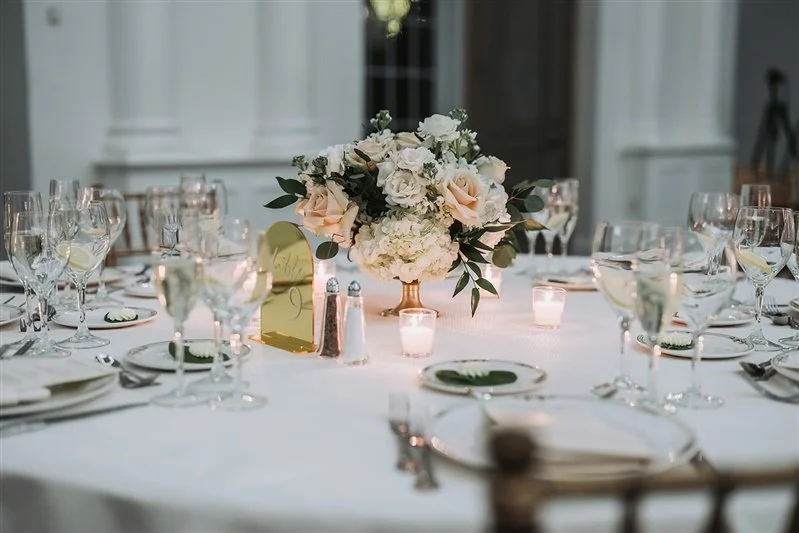
Table Centerpiece Photo at a Wedding at the Park Chateau, New Jersey
4. Plan for Key Moments
Now I’m thinking ahead a bit. Where is the cocktail hour, where is the reception, where are things like first dances or exits going to happen. You don’t need every detail locked in, just a rough idea so nothing catches you off guard. That’s usually enough to keep things smooth.

Grand Dress Shot at The Carolina Inn, Chapel Hill
Final Thoughts on Location Scouting a Wedding Venue
The more weddings you shoot, the easier this gets. You start to see patterns and you stop overthinking it. At the end of the day, you’re just looking for light, layout, and flow. If you can walk into a space and pick up on those quickly, you’re in a good spot.
If you want to learn from the wins, mistakes, and real-world experience that come from over a decade in wedding photography, you can dive deeper with the full courses here.