Simple Guide to Starting as a Wedding Photographer
Wedding Photography 101
Starting out in wedding photography can feel overwhelming fast. There’s gear to figure out, pressure to “be ready,” and a constant comparison game that makes it seem like everyone else has it all together already. The truth is, almost no one starts confident. Most of us start curious, unsure, and figuring things out one step at a time.
I didn’t take a traditional path into wedding photography, and I didn’t have it all mapped out from day one. What I did have was a willingness to learn, practice often, and slowly build experience until things began to click. If you’re at the beginning right now, this is the foundation I wish someone had laid out for me early on.
Do I Need to Major in Photography?

— No. A photography degree can be helpful, but it’s not a requirement for becoming a strong wedding photographer. Some of the best photographers I know didn’t study photography at all. What matters more than formal education is learning how light works, understanding moments, and getting comfortable working with people.
Weddings aren’t about technical perfection. They’re about timing, awareness, and knowing how to stay calm when things move fast — those skills come from experience, not a classroom

I actually went to school for Music Production & Sound Design, which is entirely irrelevant to my wedding photography career I have now.
How to Prep Before Taking Your First Wedding
Before you ever say yes to a wedding, you need reps. The goal at this stage isn’t to create portfolio masterpieces. It’s to build muscle memory so your camera stops feeling foreign in your hands. You want to reach a point where changing settings doesn’t interrupt how you see a moment unfolding.
Here are some photos from my first year of photography.




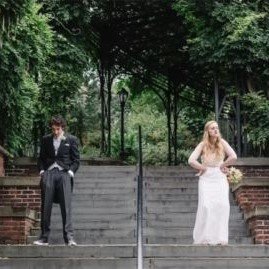
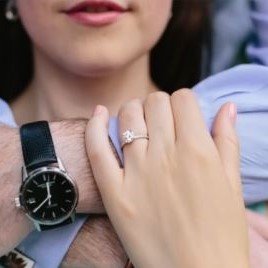
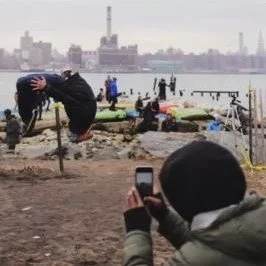

Some of the best prep you can do happens outside of weddings:
street photography teaches fast decisions and awareness
photographing family gatherings builds comfort and anticipation
shooting in low light prepares you for receptions
taking photos often trains confidence
The more you shoot, the quieter the panic gets.

Consistency is the keyword for wedding photography.
How to Build Your Portfolio
You don’t need dozens of weddings to start building a portfolio. You need a small body of work that shows consistency and intention.
Second shooting is one of the best ways to learn quickly. Styled shoots can help if you’re selective and treat them seriously. Engagement sessions, courthouse weddings, and small events all count, especially if you approach them with the same care you would a full wedding day.
The key is honesty. Your portfolio should reflect what you can deliver again, not just your best day ever.
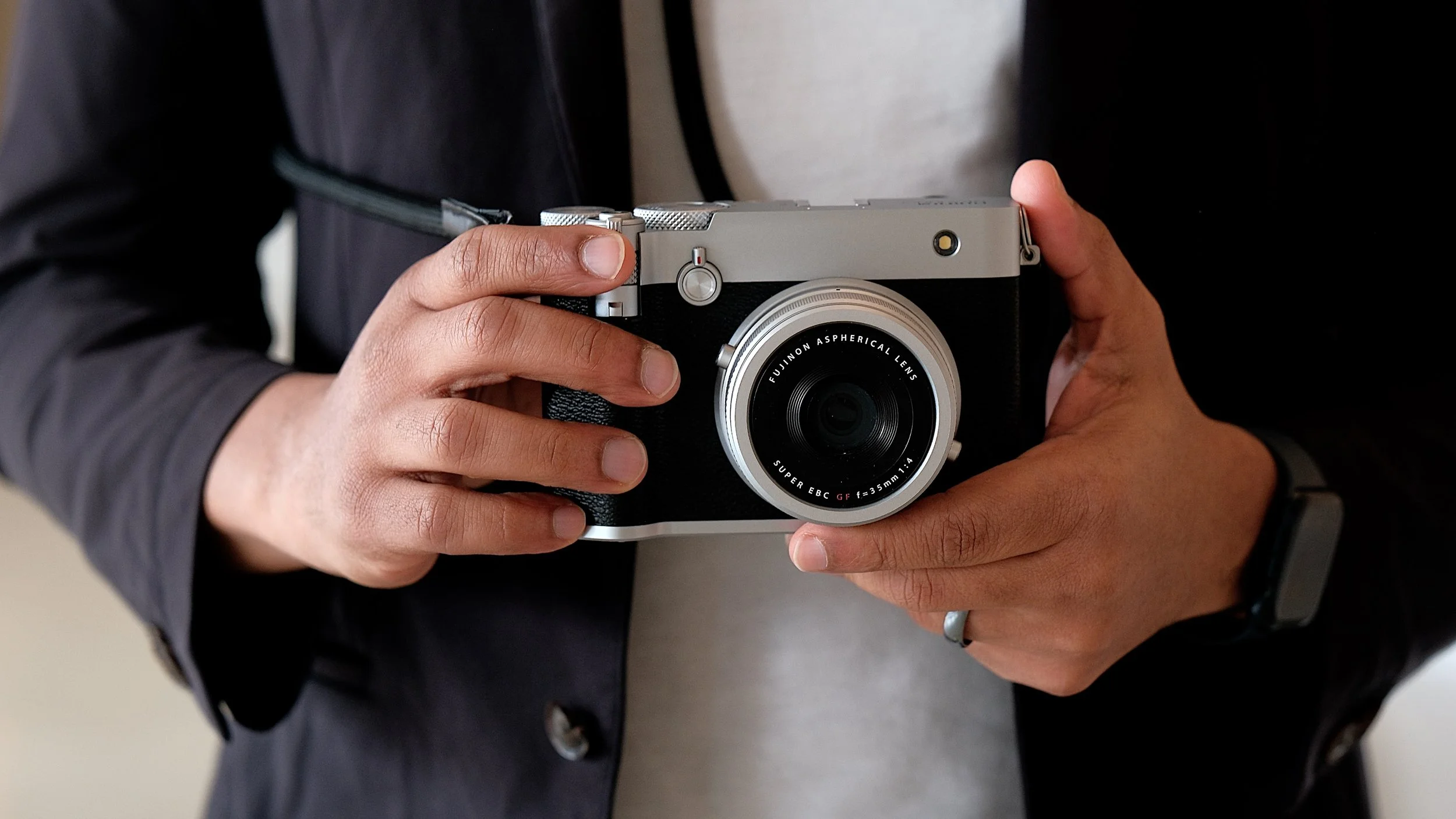
The camera is a trusted companion of every wedding photographer.
What You Actually Need to Get Started
1. A camera you know well. It doesn’t need to be the newest or most expensive. You need something reliable that you can operate without thinking.
2. One or two solid lenses. A versatile focal length you’re comfortable with matters more than having options. Learn one lens deeply before adding more.
3. Extra batteries and memory cards. Running out of power or storage creates unnecessary stress. Redundancy here is non-negotiable.
4. A simple backup system. Back up your files immediately after shooting. One copy is not enough, especially when people trust you with their wedding.
5. place to show your work. This can be a basic website or a focused social presence. It just needs to clearly show what you do and how to contact you.
6. A contract and clear pricing. Even when you’re new, professionalism matters. Clear expectations protect both you and your couples.
7. A repeatable workflow. From inquiry to delivery, having a simple system keeps things from feeling chaotic as you take on more work.
8. Confidence to keep learning. You don’t need to know everything yet. You just need to be willing to improve after every shoot.
RELATED VIDEO: Ultimate Guide to Wedding Photography Settings
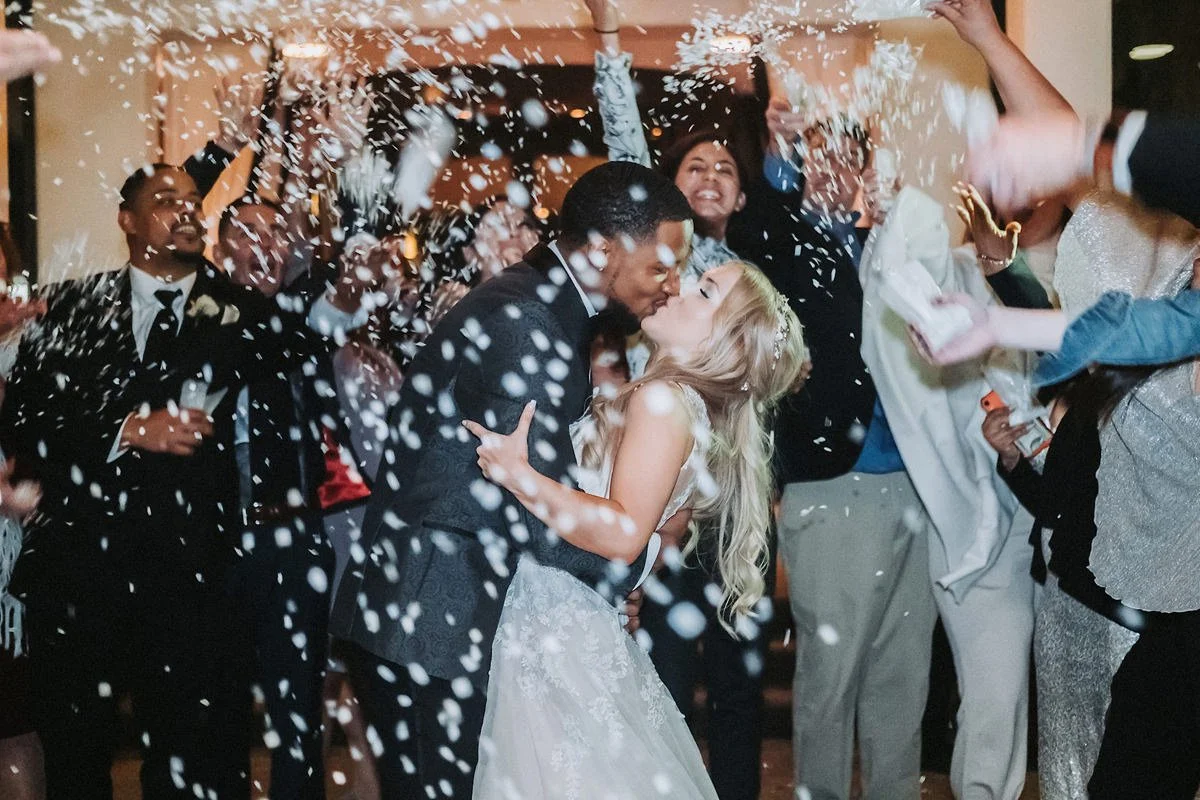
Get the experience you need to start your wedding photography journey.
Your First Booking Matters More Than You Think
That first booking is scary and necessary. No amount of watching videos or reading guides replaces the confidence that comes from actually doing the job. Your first wedding teaches you how to pace a day, communicate clearly, and stay present when things don’t go exactly as planned.
Confidence is built through experience, not perfection. Each wedding makes the next one feel more manageable.
RELATED: How to Be the Second Photographer Every Wedding Pro Wants to Hire
A Few Things I’d Tell Every New Wedding Photographer
Learn how to work with people, not just cameras. Don’t rush into branding before you’re ready to deliver consistently. Have backups for everything. Find a mentor if you can. And give yourself time. Progress in this field is measured in years, not months.
Most importantly, don’t quit just because it feels slow. Every photographer you admire started where you are now.
Final Thoughts on Starting Wedding Photography
There’s no single right path into wedding photography. What matters is staying curious, practicing often, and being willing to grow through experience. If you’re at the beginning, you’re not behind, you’re right on time.
And if you want more in-depth guidance, workflows, and real-world insight, I share a lot of that inside my education content and videos. Keep learning, keep shooting, and trust that it adds up.