Wedding days don’t run smoothly by accident. More often than not, the difference between a calm, well-paced wedding day and a chaotic one comes down to planning — specifically, having a clear wedding photography timeline in place.
For photographers, writing your own timeline isn’t about control. It’s about clarity. A solid wedding photography timeline helps set expectations early, protects time for photos, and allows the day to unfold in a way that feels natural for everyone involved. Below is a practical breakdown of how to build one that actually works, whether you’re shooting a traditional wedding day or a first look timeline.
Why Photographers Should Create Their Own Wedding Photography Timeline
Many photographers rely entirely on planners or assume timelines will sort themselves out. In reality, no one understands what’s needed for photos better than the photographer (that’s you). Creating your own wedding photography timeline allows you to communicate what you need without stepping on anyone’s role.
This doesn’t replace the planner’s timeline. It runs parallel to it. By asking the right questions early and outlining key photo-related moments, you create a shared understanding that leads to smoother transitions, fewer surprises, and better images on the wedding day.
Understanding the Two Types of Wedding Photography Timelines
Most wedding days fall into one of two categories: traditional timelines or first look timelines. Knowing which one you’re working with affects how you allocate time, when portraits happen, and how relaxed the day ultimately feels.
The key difference comes down to when couple portraits, family photos, and wedding party photos happen — and how much pressure that puts on the schedule later.
Traditional Wedding Photography Timeline
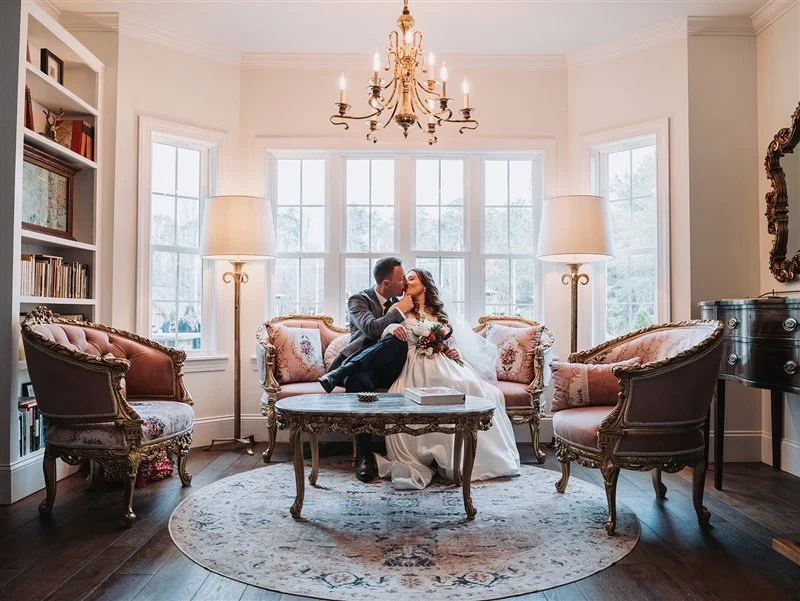
In a traditional wedding timeline, the couple doesn’t see each other before the ceremony. This means most portraits are pushed to after the ceremony, often during cocktail hour.
When building a traditional wedding photography timeline, keep these points in mind:
Getting ready photos need to be efficient and well-paced
Family photo lists must be organised in advance to avoid delays
Portrait time is limited and needs to be protected intentionally
Couples should be prepared for missing part or all of cocktail hour
Traditional timelines can work beautifully, but only when expectations are clear and transitions are tightly planned.

First Look Wedding Photography Timeline
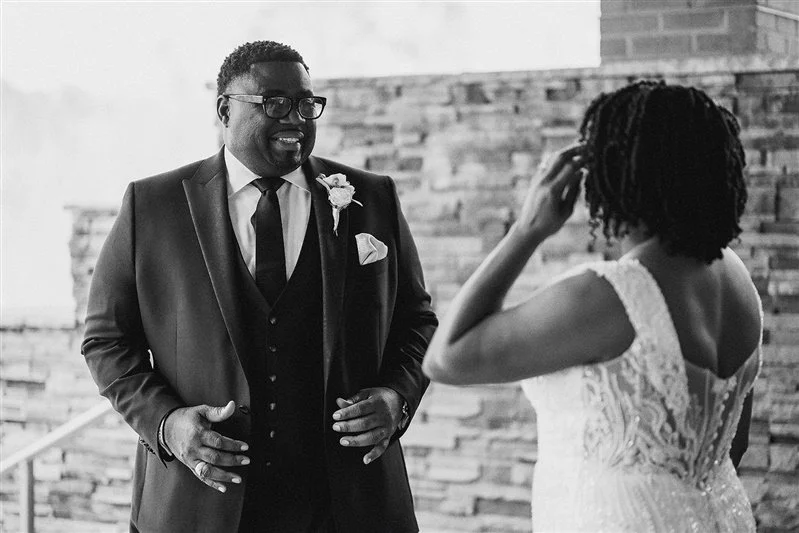
A first look wedding timeline offers more flexibility and breathing room. Since the couple sees each other before the ceremony, you can complete a large portion of portraits earlier in the day.
When constructing a first look wedding photography timeline:
Schedule time for the first look itself without rushing it
Build in couple portraits immediately after
Include wedding party and immediate family photos before the ceremony
Leave only a short portrait window during cocktail hour, if needed
This approach spreads photos throughout the day instead of compressing them into a single hour, which often leads to calmer couples and more consistent images.
Questions You Need to Ask to Build Your Timeline
Before writing any timeline, you need information. A questionnaire sent after the engagement session works well, once couples are more familiar with their plans.
Key questions to ask include:
When does hair and makeup start and finish?
Are you planning a first look?
What time does the ceremony start and end?
When does cocktail hour begin and end?
Are there multiple locations or outfit changes?
Is there a special exit planned?
These answers give you everything you need to map out the photography flow of the day.
How Wedding Photography Timelines Work With Planners
Once your wedding photography timeline is drafted, it should be shared with the planner. This isn’t about overriding their schedule — it’s about collaboration.
When planners understand what you need for photos, they can plan around it more effectively. Sending your timeline early prevents misalignment, avoids last-minute stress, and ensures everyone is working toward the same goal on the wedding day.
Strong photographer–planner communication is one of the biggest factors behind smooth, well-run weddings.