One of the first things many photographers try to figure out when starting wedding photography is “What’s the best lens for a wedding day?” It isn’t always about buying the most expensive gear. And honestly, when you’re starting out, it probably shouldn’t be. It’s more about finding lenses that match the way you like to shoot and the kind of moments you want to capture.
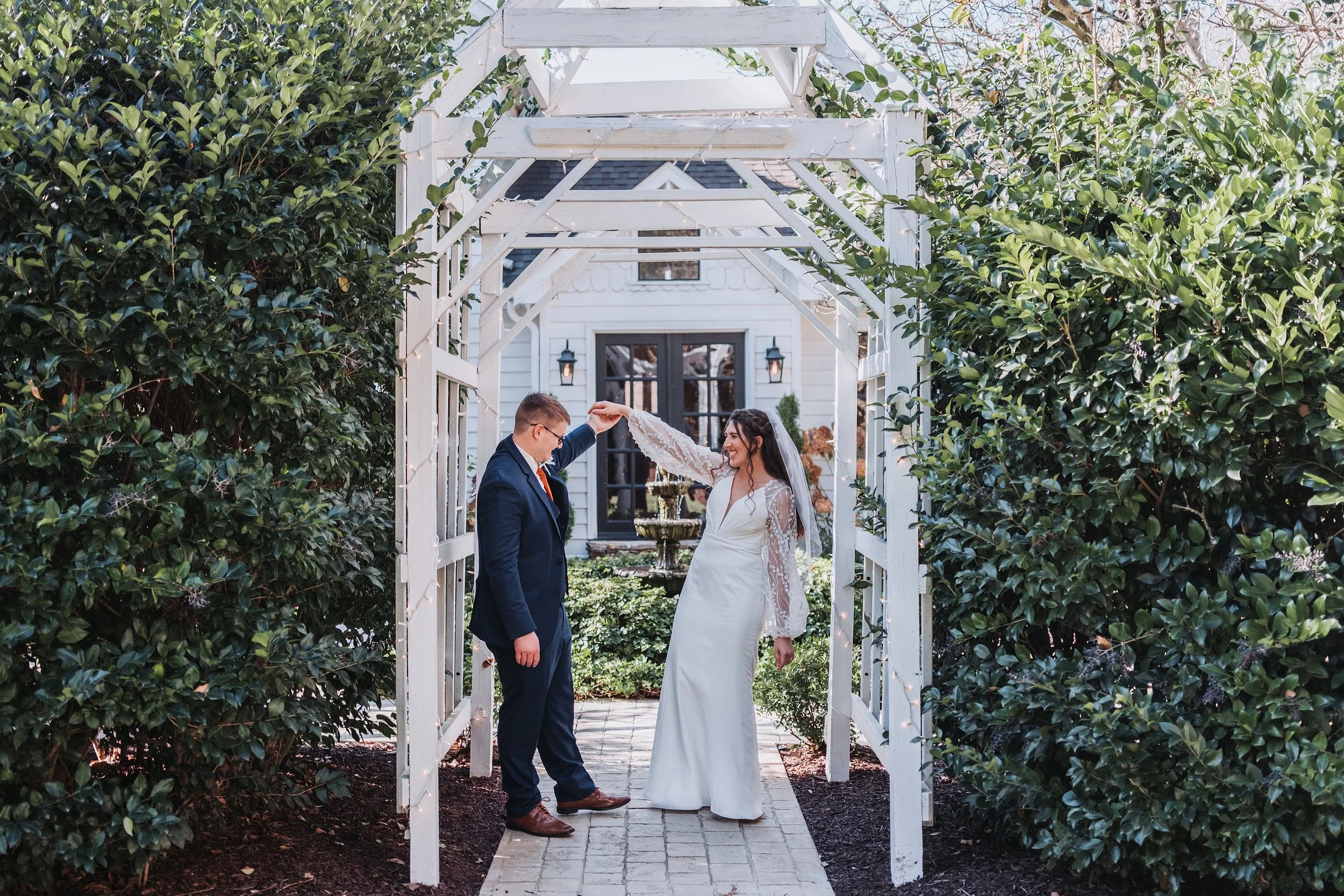
Choosing the best lens for wedding photography.
Some photographers prefer primes. Others rely heavily on zoom lenses. Both approaches work, but they don’t just change the look of your photos. They also affect how you move throughout the day and how you interact with the couple. There are a few things worth considering before deciding which direction to go. Understanding the strengths and trade-offs of each can help you build a setup that fits naturally into your workflow.
Understanding Prime vs Zoom lenses
Before choosing a lens, it’s important to understand the difference between prime and zoom lenses.
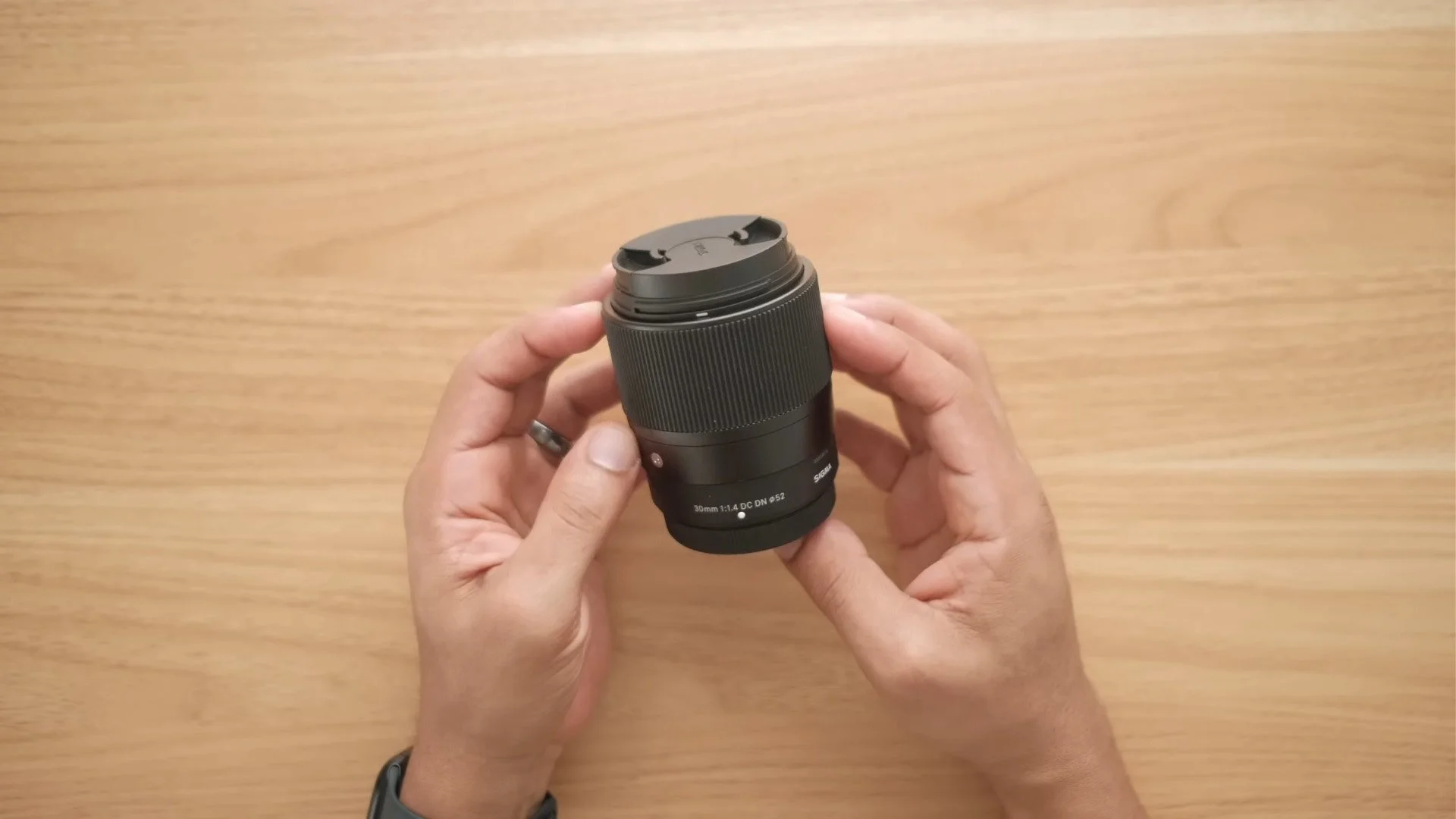
Sigma 30mm f1.4 prime lens
A prime lens has a fixed focal length. Examples include 23mm, 35mm, or 56mm lenses. You cannot zoom in or out, which means you physically move closer or farther from your subject to adjust composition.
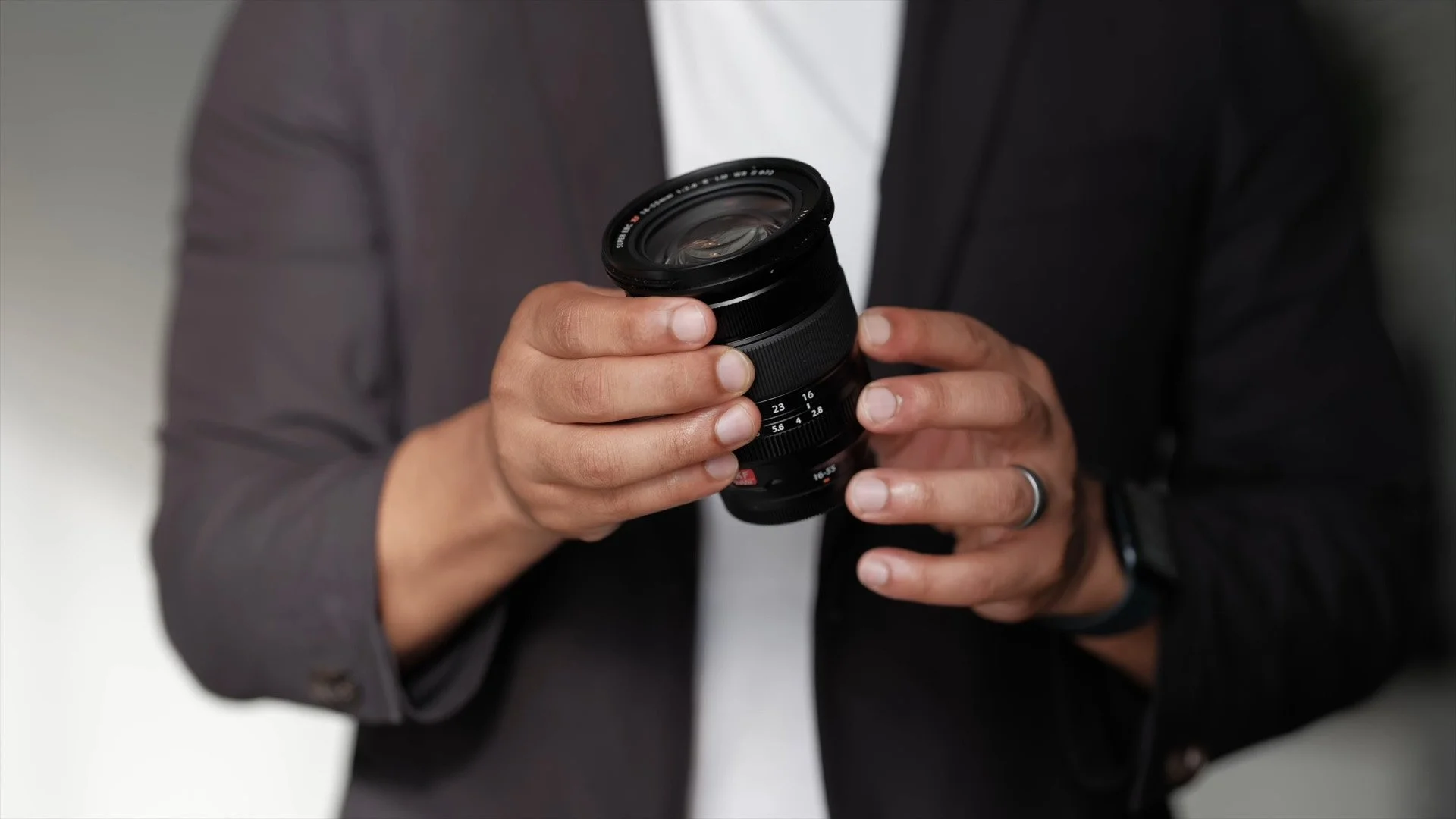
Fujifilm 16-55mm II zoom lens
A zoom lens, on the other hand, allows you to change focal lengths within a range such as 24–70mm or 70–200mm. This gives you flexibility without needing to switch lenses as often.
Both options are widely used in wedding photography, but they create different shooting experiences.
How Prime Lenses Influence Your Photography Style
Many wedding photographers I know prefer primes because they provide consistency and a distinctive look. Each prime lens has a specific perspective, and over time you begin to understand exactly how that lens frames a scene. That familiarity can make shooting feel intuitive. Prime lenses also encourage you to move around your subjects rather than relying on zooming. This can lead to more intentional compositions and a stronger connection with the couple.
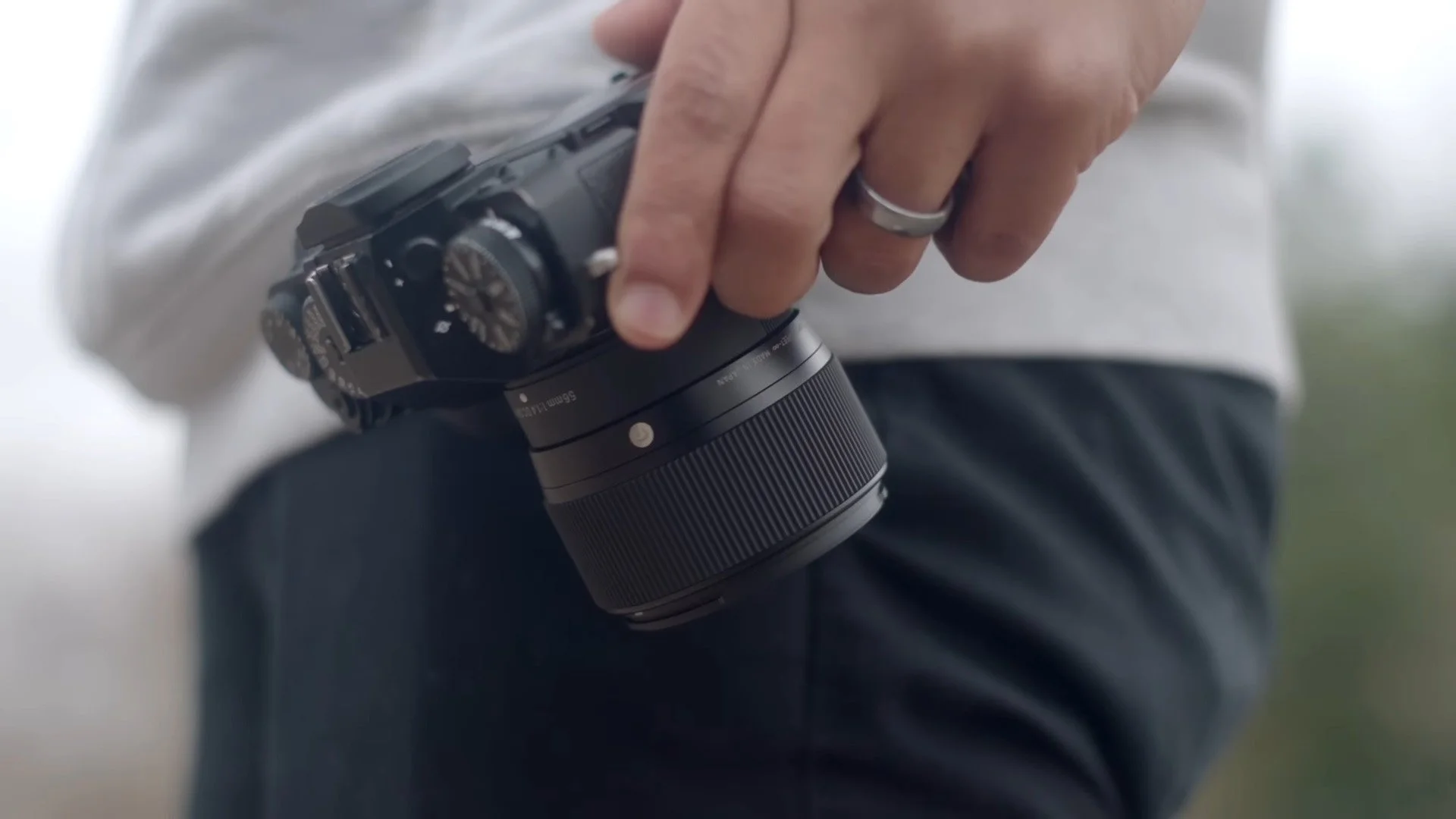
Prime lens for wedding photography.
Pros of Prime Lenses
Wider apertures such as f/1.4 or f/1.2
Excellent performance in low light
Consistent look and perspective
Often smaller and lighter
Cons of Prime Lenses
Requires frequent lens switching
You need to anticipate moments more carefully
Can require a more structured shooting workflow
Why Some Wedding Photographers Prefer Zoom Lenses
Zoom lenses, on the other hand, prioritize flexibility. During weddings, moments happen quickly. A zoom lens allows you to adjust framing instantly without stepping forward or backward or changing lenses. This can be especially useful during ceremonies or speeches where movement may be limited.
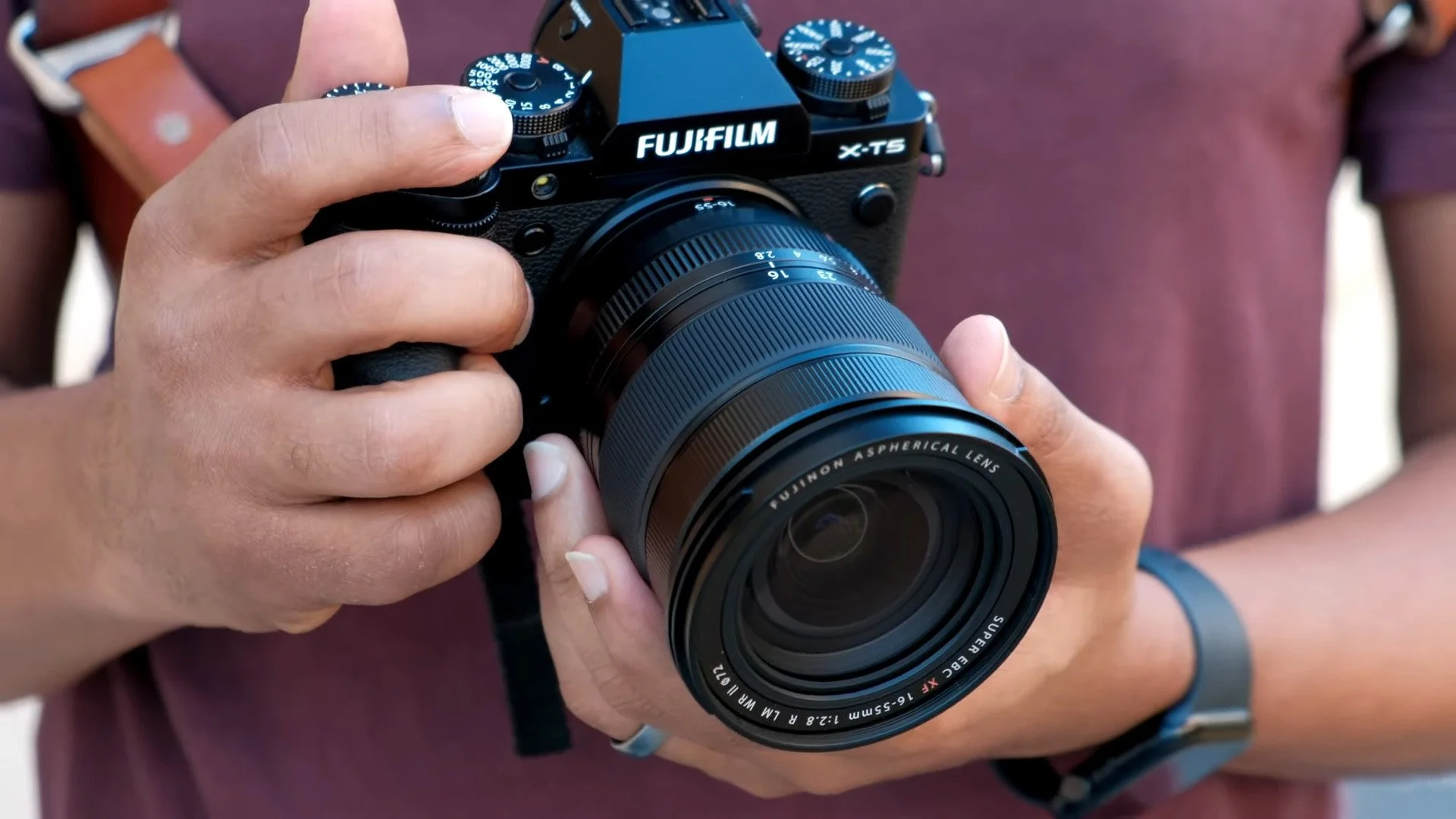
Zoom lens for wedding photography.
Pros of Zoom Lenses
Flexible focal range
Fewer lens changes
Helpful for fast-moving moments
Cons of Zoom Lenses
Maximum aperture usually f/2.8
Typically larger and heavier
Slightly less consistent perspective compared to primes
How Your Lens Choice Affects the Way You Shoot a Wedding
One thing that often gets overlooked when choosing the best lens for wedding photography is how the lens affects the way you work throughout the day. Neither approach is better than the other. They simply shape the way you move, react, and interact with the people you’re photographing throughout the wedding day.
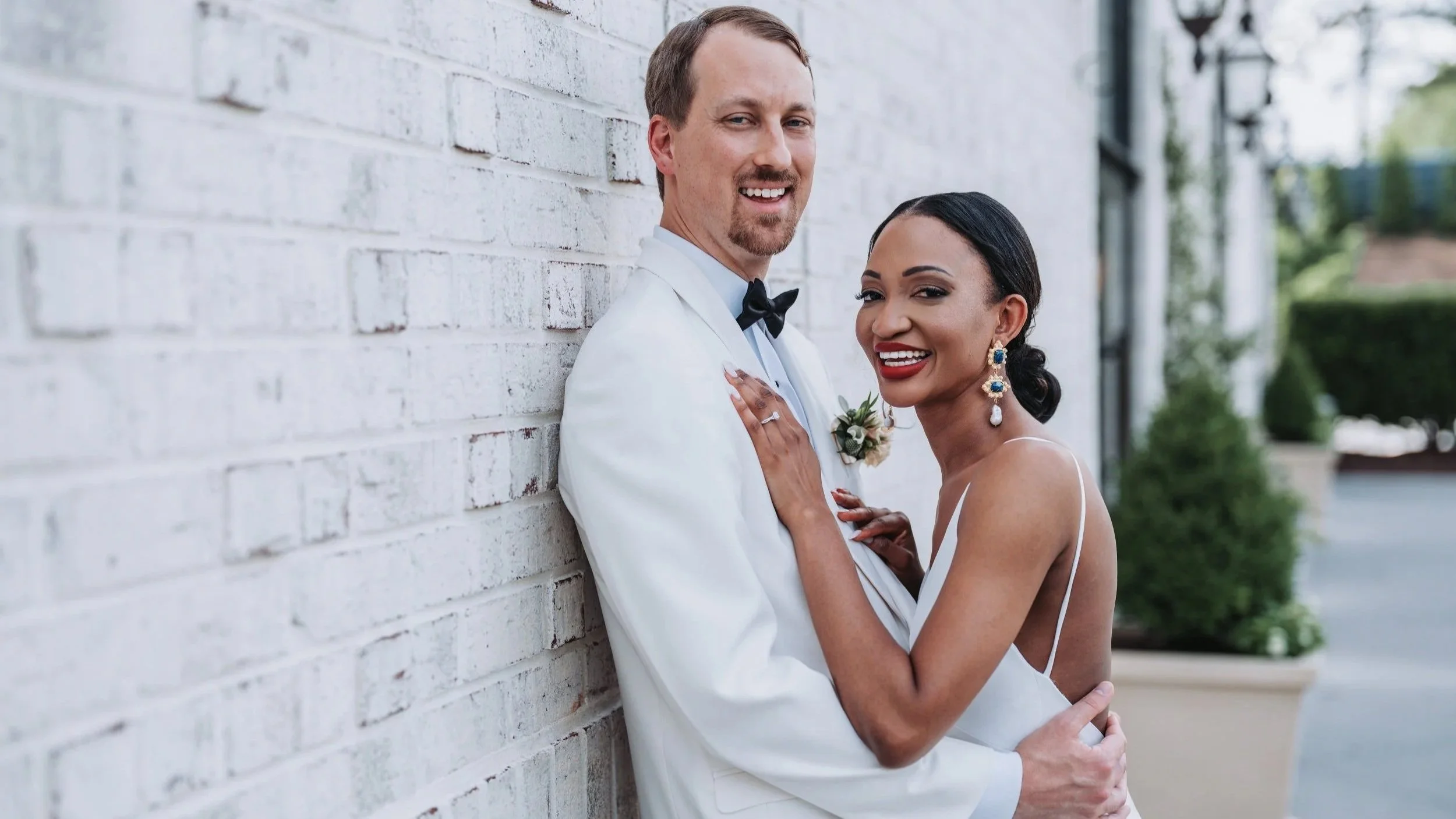
Shot with a prime lens.
With prime lenses, you’re moving a lot more. If you want a tighter composition, you step closer. If you want something wider, you step back. Over time, that movement becomes part of your shooting style. Many photographers feel it helps them stay more engaged with the scene because they’re constantly adjusting their position rather than relying on the zoom ring.
With zoom lenses, the experience is a bit different. You can adjust framing instantly without changing your position, which can be extremely helpful during fast moments like ceremonies or speeches. Instead of moving around constantly, you’re able to react quickly and frame the shot from where you’re standing.
RELATED: Fujifilm GFX vs X-T Series: Which Camera Makes More Sense for Weddings?
Why Image Quality Should Not Be the First Factor
Many photographers assume the “best lens” is simply the sharpest one. In reality, image quality improves far more from understanding light, composition, and timing than from small differences between lenses.

A photographer who knows how to anticipate moments will produce stronger images than someone relying solely on equipment. The best lens is ultimately the one that supports your workflow and allows you to react quickly to what’s happening during the wedding.
Final Thoughts
Choosing the best lens for wedding photography is less about finding a perfect piece of gear and more about understanding how you like to shoot. Prime lenses offer consistency and low-light advantages. Zoom lenses provide flexibility and speed. Both approaches are used successfully by wedding photographers around the world. The goal is to build a setup that helps you move confidently through a wedding day while focusing on the moments that matter most.